Thursday, November 3, 2022


My favorite children’s stories?

Hans Brinker and his silver skates was one of the first books I ever remember having. It was a historical novel by Mary Mapes Dodge. Now I consider myself old, in 2023 I shall turn 80 years old. This book, it’s really old, it was written in 1865. I had a bedside table in my room in the apartment my mother and I lived in. This apartment was the 2’nd floor of my great grandmother and great grandfather, Lena and William Peachman. We lived there until until 1950. That book was always on the shelf of the bedside table.

So, I was reading at age seven. And yes, I’m still reading today. Several eye surgeries of late have put a bit of a crimp in this enjoyable endeavor.

Two memories of my great grandfather, who I called Grandpop, by the way, were playing checkers and him wittling. I especially remember him whittling a canoe and shavings always on the floor around his chair. And my goodness, I loved playing checkers anytime. Great grandmother Lena was my surrogate mother during those first seven years. She kept me well fed. She was grandmom, and spoiled me with love.

One other book, “Treasure Island by Robert Louis Stevenson" was always next to the bed. Treasure Island is one book I’ve read more than once. “For sheer storytelling delight and pure adventure, Treasure Island has never been surpassed. From the moment young Jim Hawkins first encounters the sinister Blind Pew at the Admiral Benbow Inn until the climactic battle for treasure on a tropic isle, the novel creates scenes and characters that have fired the imaginations of generations of readers”. Thanks to HTTPS://WWW.GOODREADS.COM/BOOK/SHOW/295.TREASURE_ISLAND for this bit of information.

Here’s a book review on Hans Brinker from - HTTPS://WWW.PLUGGEDIN.COM/BOOK-REVIEWS/HANS-BRINKER-OR-SILVER-SKATES/.

Hans Brinker, age 15, and his sister, Gretel, age 12, live in Holland in the mid-1800s. Ten years before this tale unfolds, their father, Raff, suffered an injury that left him senseless and incapacitated. The children and their mother have lived in poverty ever since. They know Raff buried a large sum of money prior to his fall, but he’s unable to tell them where it’s hidden. Raff also left a fine watch with Dame Brinker just before his accident, making her promise to keep it safe. She knows nothing of its mysterious origins and has often considered selling it to feed the family.Hollanders get around in the winter by skating on the frozen canals. Hans and Gretel can’t afford real skates, so they strap blocks of wood to their feet. Though many wealthier children look down on the Brinkers, a few, including Hilda van Gleck, Peter van Holp and Annie Bouman, show great kindness and generosity. Hilda and Peter buy Hans’ homemade necklaces so he and Gretel can afford real skates without feeling they’ve taken charity. These children provide other necessities for the Brinkers as well.The children of the city are overcome with excitement when they learn of an upcoming skating contest. The fastest girl and the fastest boy will each win a pair of silver skates.As Hans goes to town to purchase his skates, he spies the renowned surgeon Dr. Boekman on the street. Hans offers his skate money to the man, if the doctor will examine Raff. Touched by Hans’ story, the doctor refuses the money and promises to come see Raff when he returns from a trip.Shortly thereafter, Raff’s health deteriorates. Hans and Peter go in search of the doctor, but without success. When Dr. Boekman finally returns, he performs a risky surgery to relieve pressure on Raff’s brain. Raff experiences healing that is miraculous. Though his memory is foggy, he is essentially the same person he was before his accident. He helps the family find the lost money, and the Brinkers are finally able to support themselves in a reasonable manner.Raff also begins to remember the story behind the watch he’d left with Dame Brinker. It was given to him by a man named Thomas Higgs who was fleeing the country. Thomas believed he’d inadvertently poisoned someone. He asked Raff to contact his father and give him the watch. Thomas told Raff to have his father contact him if it was ever safe for him to return to Holland. On one of Dr. Boekman’s visits, the Brinkers discover Thomas Higgs is the doctor’s son. Dr. Boekman explains that he had prevented the poisoned man’s death, so Thomas was not in any legal trouble. He’s thrilled to learn his son may still be alive, and Hans promises to help the doctor find Thomas. Through another coincidence, they trace Thomas to England. He returns home immediately.Hans and Gretel, along with all of the children of the town, join the race for the silver skates. Gretel wins in the girls’ category. Hans is one of the finalists in the boys’ category. When Peter’s skate strap breaks right before the final run, Hans graciously gives his strap to his friend. Peter wins the race.Dr. Boekman later returns to the Brinkers’ house to introduce his son. Thomas will be starting a business in town and offers Raff a job as his right-hand man. When Dr. Boekman learns of Hans’ interest in surgery, he invites the boy to become his apprentice.In a sub-plot, Peter leads a group of boys on a multi-day skating adventure to various Holland cities. The boys (including an English boy named Ben) see numerous historical sites and share stories about famous Dutchmen over the years. The narrator uses this trip to show readers a detailed geography and history of Holland. One legend made famous by this novel is the tale of the Dutch boy who sticks his finger in a dike to save his town from flooding. Peter and the boys say this tale represents the spirit of Holland. Any leak, be it in government, public safety or honor, is quickly filled by a million fingers. The boys lose their money, sail on an ice boat and catch a thief before visiting Peter’s sister’s mansion and returning home for the big race.

My take away from this was that the children of the Netherlands drank beer and wine in place of contaminated water. I thought that was neat.

Make sure to check on the elderly.

Tuesday, August 2, 2022

 Growing up

I shall be adding to the Growing Up series soon. I've posted "My First Boss" via WordPress previously.
Thanks to my daughter Kathryn and prompts from "Storybook," I'll be adding more. Each Monday throughout the year I get a new prompt. I'll be combining some thought and reflections, at least those that I remember. So, until the next, I bid you good day.

My First Boss

It was early April in the year 1955. Less than a month ago I turned twelve and I was just starting my first real job. I’d had other jobs of course, Billy White and I sold snow cones one summer. I spread coal ashes on some sidewalks in our neighborhood when things got icy, and shoveled sidewalks after snowstorms. I even went to Frank’s Market for Mrs. Holler on occasions, she was always running out of milk or butter or something when she was baking. She lived two houses up the street, so I was convenient. That was always worth a dime or fifteen cents. But these were not real jobs, no boss, no regular schedule, and most of all no regular money. This job was for real, I was on my first day as a paperboy for the Philadelphia Bulletin. I would now have to show up on time, have a boss and get some real money.

On the day I started, It was a Monday, I hurried home from school, dropped off my books and stuff, said hi to my grandmother, she watched me, my mother was off at RCA working. My parents had been divorced for about ten years and my dad and his family lived in Connecticut with his new family. I’ll gather some stories from there later, there’s lots of them.

One like this, got the job done.

My rendezvous point to pick up the papers and to meet the Branch Manager was exactly a half mile away, a short peddle for this speedy rider back in those days. With my Vertigo and such it would be a disaster for this old man today. The newspaper company rented a garage behind the Audubon Bakery on Merchant St. All the paperboys met there to get their papers each day. We had a teenager about sixteen as our Branch Manager. His name was Allen, Big Al was what everyone called him.

I remember that first meeting quite well. As I pulled up near the garage, I laid my bike down, along with ten or more others and walked into the garage. My buddy Stan was there already, he got me the application to fill out and have my mother sign. My mother thought I was too young at first, but I convinced her, with help from Grannie of course that I could handle the job. I mean, how hard is to peddle a bike and fling a paper. “Come here kid” shouted big Al” and I ran over to a large table he was standing behind; the other kids were just hanging around, I didn’t notice any papers anywhere.

Big Al had a couple of printed papers from the Bulletin about delivering the papers and collecting the money and paying your bill each week.  Most of the money collecting was done on Saturday mornings. We delivered all the supplements for the Sunday paper on Saturdays. By doing this it made the thick Sunday paper a little lighter. These were the comics, advertisements, Parade magazine and such. I also had another official looking document to take home and have my mother sign. I was given my route assignment list, it had the customer’s names, address and, what paper they got on what day. Some only got the Sunday edition. I also learned I would have forty seven customers, a few more on Sundays. Big Al gave me a Canvas Bag, an official Philadelphia Bulletin newspaper bag. Hey, I was now “Hot Stuff.”

Worth Point image

Al explained how to collect the money, we would turn in the money on Mondays. The Sunday edition cost the customer .25 cents, the weekly 5 cents a day or .30 cents for the week. I would quickly learn that some customers weren’t very reliable at bills, others would always paying their give you a tip. I had one house where the man would always say, “I only got a twenty kid, you got change? I finally got smart and said I would take it a half block away to the store and get change for him. After that he had the right money, never a tip though. Later I would learn, if I hung around until Christmas, I’d see big money.  Once finished with me, big Al dismissed me and told me hang with the rest of the crew until the papers came.

Charles Cushing Fine Art

Big AL would become a good friend to most of us over time. He even escorted us to a few Philadelphia Phillies games back in the day. The Bulletin provided the tickets. They were the worst seats in the stadium, but who cares, we were kids. On those trips we took a bus and two subway rides and a walk up Lehigh Avenue to get to Connie Mack Stadium. Del Ennis, #14, was my Philly favorite back in those days. After twenty years in Connecticut I never grew to love the Red Sox. I always had a second love though, yep, it was the Yankees. I still root for them today.

Back to my first Boss and first real job. I remember practicing how to fold the paper and tuck in into it’s self so you could throw it from your bike. If it was a real thick paper we would use a rubber band to keep it together and throw-able. Most houses back then had porches. We would ride the sidewalk and fling the paper to the porch. A miss would require a stop and fetch and get it onto the porch. Sometimes a bad fold would leave the paper to the whims of the wind, (ouch!) That was like rounding up a flock of chickens. These little things made for little more time to finish the route, back in the day.

There were a few hazards in this job I need to make you aware of. People walking on the sidewalks caused you to divert to the street or someone’s lawn. A raised sidewalk lifted up by a tree route not diverted, could bend a tire rim and give you a flat tire. If you had to walk the bike and carry the papers to complete your route, it was a struggle. This event happened several times over the three years I had my route. Keeping an eye out for backing up cars was a must. I can’t forget the cold, the wind, ice and, snow. On a few foul weather occasions my mother would be my chauffeur, what a treat that was.

So, the streets I delivered on were the intersecting streets to the west of Merchant St. Another route covered those to the east. My route ended a block from my house, it was quite a treat knowing when I delivered that last paper I was almost home. A few of those street names were, Audubon, Ave., Wyoming, Oswego, Central, Cedercroft and, Payson Avenues. Thanks for the help remembering goes to Google.

“Trucks here” someone shouted as a Box truck backed up to the garage. One of the older kids climbed into the back, checked the Route paperwork the driver gave him and began tossing bundles on to the garage floor. If I remember right, there were twenty-five papers to the bundle. I was told to grab two bundles, open one and deposit three in a large box on the wall. Makes sense to me, forty seven daily customers, leave three for someone else. Those papers in the box would help make up other routes. A kid with 53 on his route would take my 3 to complete his count.

Some of the guys stayed in, or right outside the garage and started folding their papers. Stan said, “follow me.” Stan and a few other guys went up Atlantic Ave. to the foot bridge over the railroad tracks. We would use the covered area under to two sets of stairs that led to the bridge over the tracks. I was to learn during lousy weather this was a great place to stay dry while folding.

On Sundays the paper was delivered early in the morning. The routine on Sundays was to go to the Audubon Diner, get a doughnut and cup of coffee to go, and return to the railroad overpass for the fold. There was a lot of talk while folding. Up coming, baseball was starting, did you hear about the fire last night, or, how about that accident on the White Horse Pike.

Audubon was divided in two by the White Horse Pike. There were two grade schools, #2 School on our side of the pike, #3 school on the other side. There was quite a rivalry in town between the two. All us paperboys at the Merchant St garage were #2’s. Guys from #3 school got their papers on their side of the Pike. That White Horse Pike could be dangerous to cross, especially if you didn’t cross at a traffic light.

For the first few days of delivering the paper I would have to use my route address ‘s card that I made up and pinned to my bag. My first Saturday, which started about nine am, was for collecting. I learned quickly that some would pay and others wouldn’t. I had a book I kept for the payment info that I made up myself.

Some customers would pay on Fridays, some Monday and some almost never. I learned to trick a few of these folks from time to time and find them on off days. On a few occasions I had to borrow a buck or two from my mother to pay my bill. I had a book I kept for the payment info that I made up myself. I learned quickly about keeping records, “If it’s not written down it never happened.” I still keep books today, I journal something daily. I’ve been doing that for years, I even write a Blog on the internet from time to time.

 If you went on vacation you had to find your own replacement, and Stan and I covered for each other. When one of us was gone the other would have a double route. Stans route began where mine ended so it was really convenient. Collections were kind of a long day, but we were young, and we survived. We were delivering right around 100 papers when we did both routes.

Fall would turn into winter and the days got shorter. Cold rain, wind, ice, and snow would add adventure to our flinging papers. When you think about it, we were kind of like Postmen. On most days our papers were delivered by 3:00.  When there were delays it was often dark when we started. I rigged up a flashlight with Electrical tape to my bag and had a reflector stapled to the back of a soft cap I wore. I’m still here, so I guess they worked.

I had to give up my route after three years when we moved to Wildwood, NJ. I would have several jobs there, one renting Beach Umbrellas and one as a Busboy in a restaurant.  I’ve always had a job, sometimes two, and a lot of Boss’. I remember some and there are others that I don’t. I will always remember Big Al, my first boss. For the life of me I can’t remember his last name.

Thanks for the memories Big Al.


Monday, December 27, 2021

 Suggestions of what to read (from my daughter.)

My daughter Kathryn shares with me often, a reading list of worthy books. Her most recent list consisted of seven books to read. Here are two I thought worthy of a share. Shares were permitted in the article and here are all seven should you care to be interested.

I shall also share with you another Blog site.  This Blogger does a great job of book revues. My wife, daughter, and the Rooster constantly cackle back and forth as to who these Bloggers I refer to are. Are they friends, or acquaintances? Sometimes I even say my Blogging Buddy. So now, just what constitutes a Friend, Acquaintance or Buddy in the Blogging World?  Should you have any thoughts in this area please feel free to comment.

Here goes the two I selected from Kathryn's list of seven. By the way, Santa brought me two books this year. They were:

1:    "The Secret World of Weather"

2:     "The Judge's List"

My Two of Seven Pics from Kathryn

"Deep Country" is Neil Ansell's account of five years spent alone in a hillside cottage in Wales.


'I lived alone in this cottage for five years, summer and winter, with no transport, no phone. This is the story of those five years, where I lived and how I lived. It is the story of what it means to live in a place so remote that you may not see another soul for weeks on end. And it is the story of the hidden places that I came to call my own, and the wild creatures that became my society.'

Neil Ansell immerses himself in the rugged British landscape, exploring nature's unspoilt wilderness and man's relationship with it. Deep Country is a celebration of rural life and the perfect read for fans of Robert Macfarlane's Landmarks, Helen Macdonald's H is for Hawk orJames Rebanks' A Shepherd's Life.

'A beautiful, translucent portrayal of mid-Wales' Jay Griffiths

'Touching. Through Ansell's charming and thoroughly detailed stories of run-ins with red kites, curlews, sparrowhawks, jays and ravens, we see him lose himself . . . in the rhythms and rituals of life in the British wilderness' Financial Times

'Remarkable, fascinating' Time Out

'A gem of a book, an extraordinary tale. Ansell's rich prose will transport you to a real life Narnian world that CS Lewis would have envied. Find your deepest, most-comfortable armchair and get away from it all' Countryfile

Neil Ansell spent five years living on a remote hillside in Wales, and wrote his first book, Deep Country, about the experience. Since that time, he has become an award-winning television journalist with the BBC. He has travelled in over fifty countries and has written for the Guardian, the New Statesman and the Big Issue.


"This" Becoming Free by Michael Gungor

Ben Palmer, Associate Editor, News Division

I absolutely love memoirs, and this is one of the best memoirs I've ever read. Michael Gungor was a worship leader at a large church and a Grammy-nominated Christian musician who eventually left his faith entirely and embarked on a journey to really figure out what he believed. In the process, Gungor learned to let go of the stories that were defining who he was, working his way through various belief systems, including atheism and mysticism.

While Gungor's story on its own is fascinating, what makes this such a great memoir is how different it is from other memoirs. Personally, I would've been happy with just his story of losing almost everything he knew to find who he is. But on top of that, Gungor adds in poems, artwork, musings on spirituality and philosophy, a little bit of everything, all in what amounts to a fairly quick read.

If you enjoy spirituality or dabble in the world of mysticism or philosophy or just like to talk about whatever is going on here in this world where a whole bunch of embodied awareness are floating around on a rock spinning in infinity, "This: Becoming Free" is a book you'll love.


Thank you https://www.advisory.com/Daily-Briefing.  for allowing an amateur like myself to share this in the Blogging World

Don't forget to check on the elderly.


Wednesday, November 17, 2021

 A new Blog has been posted. by way of Word Press. Go to https://elfidd.com/2021/11/17/the-first-blog/

and enjoy.


theRooster


                                                        Don't forget to check on the elderly!


Tuesday, February 11, 2020

Blowing in the wind

Click to follow this blog and receive notifications of new posts by email.
Join 540 other followers

Clean Sheets

Gardener's Desire
Pinterest Photo
Our eldest daughter writes an article periodically for one of our local newspapers. Some time ago I wrote an article in my WordPress blog about making your bed as a first thing to accomplish each day. That Blog included the speech by Navy Seal, Admiral William H. McRaven. His speech was delivered as the commencement address to the graduates of The University of Texas at Austin on May 17, 2014. This article tells you about those sheets you should use to make that bed. I hope you enjoy her article. Thanks Kathryn for making this an easy blog.

POPULATION HEALTH

Florence Nightingale’s words help the healing environment
By Dr. Kathryn Fiddler
Saturdays at my house meant we had two choices: get up early, find your bike and get out of the house; or stay inside and clean with mom.

As often as we could, my brother, sister and I got up and out early, but a few times we stayed in and helped. We vacuumed, washed the floors, cleaned bathrooms and changed all the sheets. As much as we complained, changing sheets was our favorite part.

As a second-generation nurse, mom was trained to make a clean bed, and she made sure we knew how as well. She always said clean sheets were important to good health.
We would strip the beds and she would wash the sheets, then hang them on the clothesline to dry. Once they were dry, we would carry them to our bedroom.

The memory of carrying crisp fresh sheets to my room still makes me smile and brings me comfort. We pulled the sheets tight, made hospital corners on the ends and smoothed out the blankets.
Today I still relish my fresh sheets. I change them weekly and find great joy in slipping under the sheets in a freshly made bed.

Florence Nightingale, the founder of modern nursing who was born in 1820, also believed in the importance of clean linens. While supporting soldiers in the Crimean War, she taught the nurses the importance of environment to healing.

She educated them on the healing value of fresh air, quiet surroundings, clean food, water and clean sheets. Her work led to reduced illness and death for British soldiers in the
war. Her work also inspired the training, for centuries, of nurses to come.
Today, 200 years later, the World Health Organization and the American Nurses Association has named 2020 the year of the nurse, in honor of the birth of Florence Nightingale, and in recognition of all nurses and midwives throughout the world.

Nurses are the largest group of healthcare professionals in the United States and have been named the most trusted profession for 18 years in a row.
Here on the Delmarva Peninsula, we have nurses in hospitals, in providers’ offices, in health departments, community centers, insurance companies, hospice, skilled nursing and rehabilitation centers, home health, veterans’ agencies and so many other places.
They have roles as mothers, fathers, caregivers, neighbors, spouses, and they support healthcare delivery and community outreach every day.

The skills, knowledge and roles of the 21st century nurse have all evolved since Florence Nightingale, but her philosophy of caring for the whole person and the value of cleanliness and disease prevention continues to be critical to good health today, and among our core values of nursing.
Dr. Kathryn Fiddler, DNP, MS, RN, NE-BC, is Vice President for Population Health Management at Peninsula Regional Medical Center in Salisbury.

theRooster

Saturday, September 21, 2019

Enter your email address to follow this blog and receive notifications of new posts by email.
Join 534 other followers

Image result for falling off a shovel


Shoveling can be dangerous
Somewhere in the neighborhood of ten days or so ago, my Doctor of Nursing daughter decided to become a member of the Manual Labor force, whose main tool is a shovel. So much for the Florence Nightingale Pledge of the Nursing profession. An Umbrella Close-line base pole, No Problem!
After returning home from a trip to the ER several hours later, Arm in a sling, for at least two months mind you, we learn the cold facts of the incident. Son in-law, Jeffrey did send a text from the ER, ” in ER with Kathy, may have broken her arm”. “How” , was the wife’s response. “She fell off a shovel” “What the”, we say. We would soon learn the facts as mother goes to check on daughter.
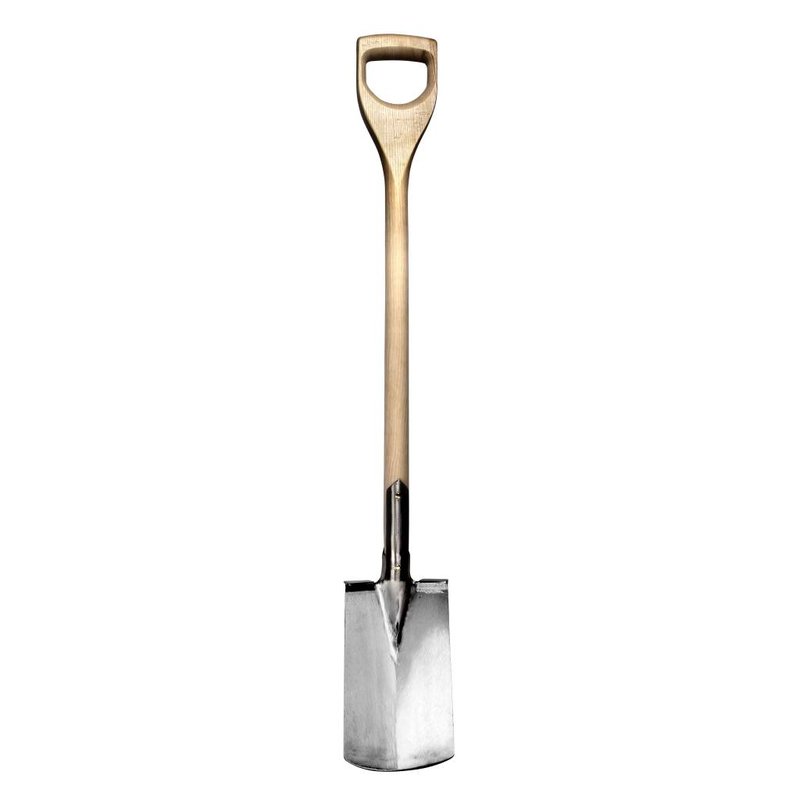
Image result for spade
If one would stand on the two flat edges on either side of the handle pole , you are at
the nose bleed height of 18″ on the average.
I must take full responsibility for my daughter’s debilitating injury. For my daughters first eighteen years never once do I remember teaching and demonstrating “Shoveling 101”.
This woman, who is right hand dominate, fell off her shovel, to the right. In trying to break her fall with her arm under her side, she sustained a fracture of the R/Radius. Due to the human instinct to break a fall by outstretching the arms, the radius is one of the more frequently fractured bones in the body.
My first born will have many challenges over the next few months with her dominant hand in a sling. Writing, How to put her hair in a bun, washing one’s hands, driving. My goodness, can one even pick their nose? De-corking a bottle of wine, now that will be a challenge.
We are here for you Kathryn, just ask and we will be there. Fell off a shovel, really?
Image titled Prepare for and Exit a Cessna 172 in the Event of a Crash Landing Step 16
How to dig a hole.
If you’ve never dug one, you need to pull this up.
Proper Techniques

Proper Shoveling Techniques

Shovel Selection

Choose a shovel that is ergonomically correct – a shovel with a curved handle. These shovels help you to keep your back straighter reducing spinal stress.
For snow, consider a shovel with a plastic blade instead of metal– plastic is lightweight – isn’t the snow heavy enough?
Sometimes a smaller blade is better. You will not be able to shovel as much per shovel load, but the load will weigh less, which puts less strain on the spine.

Technique

Warm muscles work better. Take some time to stretch to prepare your body for activity.
Just like with a golf club, hand placement on the shovel handle is very important! Don’t put your hands (grip) close to one another. Create some distance between the hands. This will give you more leverage and make it easier to lift snow.
Think about good posture and maintaining the natural curve of your spine.
Stand with your feet about shoulder width apart to maintain balance. Try to keep the shovel close to your body. Bend at the knees, not the waist or back. Tighten your stomach muscles as you lift the snow. Lift with your legs, not your back. Do not twist your body, instead, step in the direction that you are throwing the snow or dirt. This will help prevent the lower back from twisting and alleviate any back soreness that you might typically experience.
Don’t throw snow or dirt over your shoulder! Go forward with it.
Fresh snow is lighter in weight – so clear snow as soon as it has fallen. Snow becomes dense as it compacts on the ground.  Wet snow is very heavy. One shovelful can weigh 20 pounds or more!
Pace yourself. Take frequent breaks to stretch your back and extremities.

Digging holes

Make sure that the shovel head is perpendicular to the soil’s surface when you push the shovel blade in. And if you can’t push it in with one foot, if you have to jump with both feet to drive it in, then you need a backhoe or a pry bar to dig this hole.
When you’re going to lift the dirt out of the hole, hold the shovel near the middle of the handle and use the upward momentum of lifting the soil out to throw it into the wheelbarrow or onto a tarp. Don’t be at the end of the shovel and don’t be down close to the head. Both cause strain on your back.
When you encounter roots, remember your shovel is not a pry bar, but it can be a chopping tool. Turn it around and cut cleanly through the roots that you encounter, and then lift them out of the hole into the wheelbarrow. Shoveling is all about keeping your back straight.
If you have injured yourself while shoveling or have any questions, give PRO Physical Therapy a call.
Don’t forget to check on the elderly.

Saturday, July 20, 2019

A Couple of Shares With You

A while back I posted a commencement address by Admiral William H. McRaven.
Each month in a local paper, our daughter Kathryn posts an article on Population Health. When I read the article, I got all chest puffy and proud of my daughter's material as well as learning that a family Sunday Night gathering was remembered. I feel Admiral McRaven and my daughters post kind of go hand in hand.
In case you didn't see my McRaven post, here is that excerpt. Here is a part of the commencement address to the graduates of The University of Texas at Austin on May 17, 2014 by Admiral William H. McRaven.
Image result for Admiral William H Mc Raven at U of Texas
Google Image
Every morning in basic SEAL training, my instructors, who at the time were all Vietnam veterans, would show up in my barracks room and the first thing they would inspect was your bed. If you did it right, the corners would be square, the covers pulled tight, the pillow centered just under the headboard and the extra blanket folded neatly at the foot of the rack — that's Navy talk for bed.
It was a simple task — mundane at best. But every morning we were required to make our bed to perfection. It seemed a little ridiculous at the time, particularly in light of the fact that were aspiring to be real warriors, tough battle-hardened SEALs, but the wisdom of this simple act has been proven to me many times over.
If you make your bed every morning you will have accomplished the first task of the day. It will give you a small sense of pride, and it will encourage you to do another task and another and another. By the end of the day, that one task completed will have turned into many tasks completed. Making your bed will also reinforce the fact that little things in life matter. If you can't do the little things right, you will never do the big things right.
And, if by chance you have a miserable day, you will come home to a bed that is made — that you made — and a made bed gives you encouragement that tomorrow will be better. If you want to change the world, start off by making your bed.
(Text of entire speech if interested: https://jamesclear.com/great-speeches/make-your-bed-by-admiral-william-h-mcraven

Daughter Kathryn remembers Sunday nights long ago.

Image result for Kathryn Fiddler
From the Salisbury Independent: Here's our July Population Health article from Dr. Kathryn Fiddler, our Vice President of Population Health at PRMC.
So, I grew up in Connecticut, one of three children of a State Trooper and a nurse. One of my best memories was of Sunday nights. My dad would work on preparing for the week. My dad would get out his badge, his belt buckle, and his rank. He would then ask us all to get our shoes lined up. We only got one pair of shoes at the beginning of the school year, and they were usually leather.
My mom would get her white uniforms out. He would lay all his uniform parts out on the floor. He would get out the ironing board, take out his brass cleaning kit, his leather kit and proceed to wax, polish, and iron. He would shine his brass until it glistened, polish our leather shoes until we could see ourselves in the toes, and then iron his uniforms and my mom's.
Sometimes he would teach us how to do it, other times we just sat and talked with him about our day. It was a labor of love, and also pride for himself and our family. When I joined the Air Force, I continued that ritual, polishing my boots, ironing my uniform…. Today, I still polish my shoes and iron my clothes, preparing for my week.
Related image
I'm guessing it works with daughters also.
We are all so busy. We move throughout our weeks driven by kids, family, jobs, community commitments, friends, and so much more. We rarely get a minute to breathe. What I have found, is this simple act of taking time to prepare makes a difference and allows some of life's chaos to turn into calm. Taking a break to plan can have a positive impact on our well-being. It gives us time to pause and look ahead.
What if all we were able to take a pause, one day a week and prepare? What could we accomplish? We could plan a few lunches or dinner meals at home, avoiding fast food drive-throughs for a day. We could plan time to talk a walk, exercise at the gym, ride a bike, maybe spend time with family or friends. We could even make time to plan for our health. We could schedule an annual physical, a mammogram, flu shot, or much-needed colonoscopy if we need one? What about a few minutes to check any prescriptions and make sure they aren't about to run out?

Image result for eleanor roosevelt
Think of how much money we could save, the stress we could lower, health we could improve. Eleanor Roosevelt said, "It takes as much energy to wish as it does to plan." What would it hurt, to stop wishing for life to slow down, and instead, plan for it? Maybe try it this week, stop for 15 minutes and write down one thing you plan to do for yourself, then DO IT. Let me know how it goes!
Don't forget to check on the elderly.
Any changes to the original posts are editorial changes by the Rooster

Monday, December 24, 2018

Christmas 1966 and beyond


1966

It’s Christmas Eve put the computer away, is what she said to me. But I have friends out there waiting to hear from me. Well wait until later before you go to bed, perhaps you’ll listen to the bells on Santa’s sled. I’ve got to send greetings to those who follow me, this is one day I just can’t let pass. Well right now we’ve got to get ready and, get to Mass, there is someone more important to who we must thank, and before church, we need gas in the tank. So I log off the keys and clean up my act. If we don’t hurry, we’ll stand in the back.

We fill up the tank and drive to the church, I’m driving too fast and we stop with a lurch. We’re greeted by the Priest with a skeptical stare, I’m thinking he saw us, speeding in there. We find us a seat and just settle in, as the priest and the Alter Boy’s march does begin.

The opening prayer is on Christmas and the birth of Christ, it’s the season of Joy and, everyone’s so nice. The theme of the Homily is to go forth and be kind, I turn to the wife and just start to smile, I’ve been kind to the woman for quite a while. Fifty-three years together are we, I shut my eyes and our first Christmas Mass together I see. 


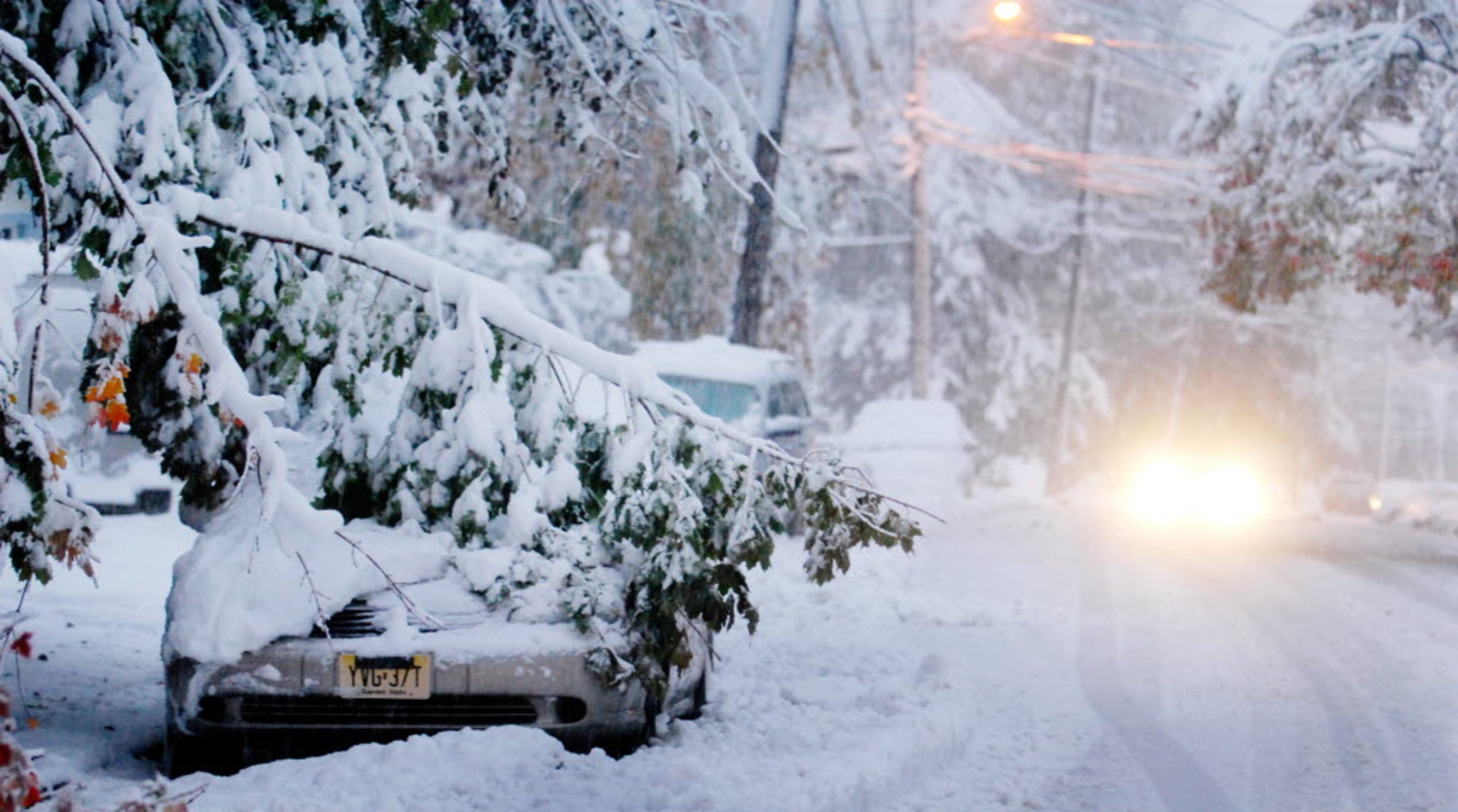
It was 1966 in New Jersey, a cold winter’s night when the two of us walked through thunder and snow. It was 8/10 of a mile to the church, the wind gusts were blowing 25 knots or so. There was something so special with everything white, I remember that walk like it was this Holy Night.

Back at my grandmothers home after Mass, we were offered Mogen David wine, in a fancy cut glass. Joining us there were Aunt Maude and Uncle Jim. When I was little, every time they would depart, he would give me a dime. Those memories way back to a long-ago time, bring heartfelt joy and, I remember the Homily, Be Kind!        theRooster  2018

Remembering

That first Christmas Mass together was attended at Holy Maternity Catholic church in Audubon, NJ. We walked the 8/10 of a mile from my grandmother's house at W. Pine and 4th Ave. You can check the weather at the Wunderground site below. Twas, not a night fit for man or beast, but we were young and what the hell. 
Image result for heavy snow

There are many great memories of Christmas with our families. While living in Connecticut, we would have Christmas Day at home and then in a day or two drive to New Jersey and Delaware to celebrate with our respective families there. This, of course, was a grand time for the kids when they were young. Santa seemed to always leave a few out of state gifts for our three, what a treat.

An excellent remembrance for me was a Christmas Eve I had to work many years ago. I was a young State Trooper and my assignment on this eve was I-84 between Rt. 32 and the Massachusetts State Line. It was called the Upper Patrol. On this night I exchanged my big grey Stetson for a red floppy Santa’s hat, big white tassel on end and all. 


If my memory serves me correctly, it was a relatively quiet evening. I would make a few stops, give some verbal warnings and, hand out candy canes to those I came in contact with and wish them a Merry Christmas and ask them to please drive safely. After the shift was over, I’d enter our home quietly, me lady was waiting up, and we would have a bit of quiet time and last minute wrapping together. Those were the days my friends.

Image result for bear mt bridge
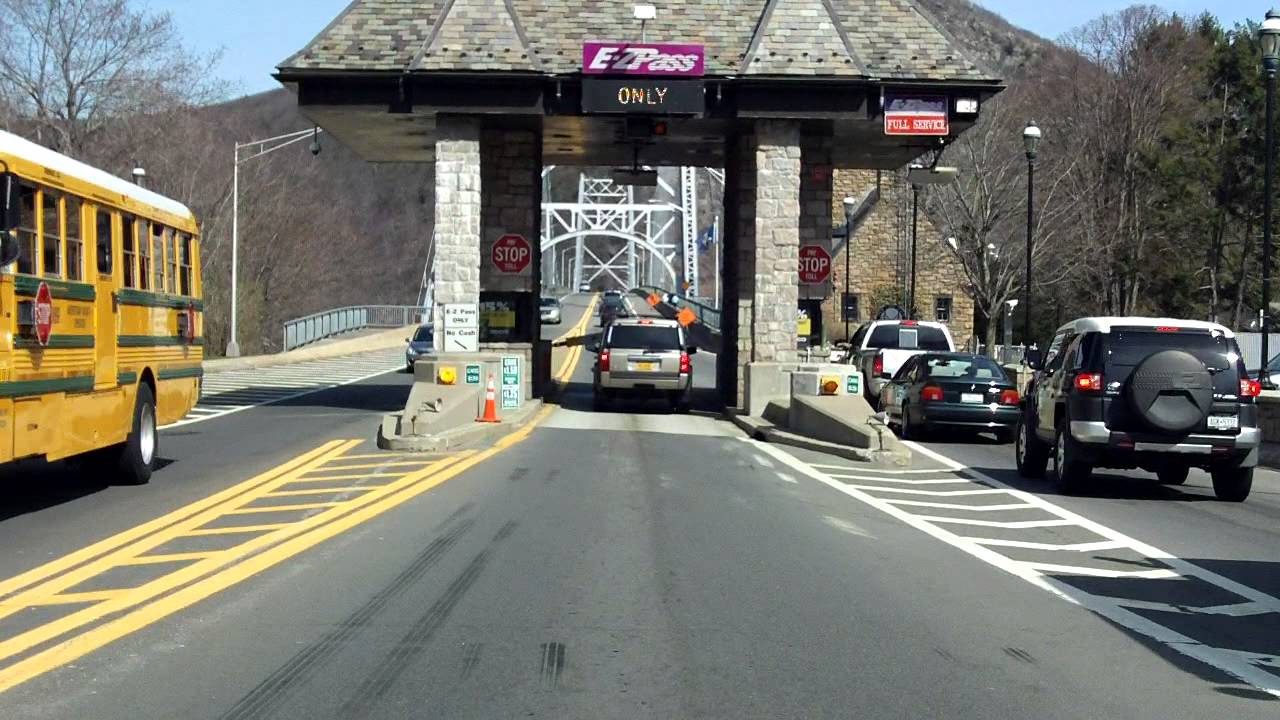
Crossing the Bear Mountain Bridge over the Hudson River

This past week saw us journey North to CT to visit our son and his family.  It was only a three-day visit, but it was grand to be with those who are near and dear to our hearts. We had a meal at our favorite haunt when in Tolland, Camille’s. I got to spend a few hours with an old member of the Thin Blue Line, #467. We drank coffee at Duncan Donut’s and told war stories. I spent time with a brother-in-law and talk clocks and wine racks.

Image result for 202 diner cortlandt ny
A great stopping point for lunch on the way to CT.

Yes, Christmas time is great for bringing us together. I thank the good Lord for giving me and mine good health to travel and the ability to wish all of you who take a gander at the Blog from time to time a very Merry Christmas from our house to yours.

As I close, remember the theme from the Homily at Mass, BE KIND!


The weather on 24 December 1966 in the greater Philadelphia area.

https://www.wunderground.com/history/daily/us/pa/philadelphia/KPHL/date/1966-12-24

Don't forget to check on the elderly.


Thursday, November 30, 2017

Mercy

The Dalai Lama said:   "My religion is very simple. My religion is kindness.”


Madame Tussauds Amsterdam - Dalai Lama.jpg
Wiki image

Quite often in life I have heard the words, “Oh Mercy Me.” Just what does this mean I ask. Well, in reading a recent book, 

"Mercy means that we no longer constantly judge everyones large and tiny failures, foolish hearts, dubious convictions, and inevitable bad behavior. We will never do this perfectly, but how do we do it better? How do we mostly hold people we've encountered with the understanding of a wise, caring mother who has seen it all, knows that we all struggle, knows that on the inside we're as vulnerable as a colony of rabbits?"  A blogger I follow used those words from Anne Lamott's new book, "Hallelujah Anyway- Rediscovering Mercy."  

That question (judgement of others,) is one I have recently been asking myself, very recently in fact. Especially when herself gives me that look. You all know what that look is, right?  ಠ_ಠ

The Oxford dictionary in it’s "Synonym Study” has this to say about Mercy:  If you want to win friends and influence people, it’s best to start with benevolence, a general term for goodwill and kindness. Charity is even better, suggesting forbearance and generous giving but also meaning tolerance and understanding of others. Compassion, which is a feeling of sympathy or sorrow for someone else’s misfortune, will put you one step closer to sainthood and showing mercy will practically guarantee it. Aside from it’s religious overtones, mercy means compassion or kindness in our treatment of others. 

Way back in 1971 Marvin Gaye wrote and sang about the Ecology and used that saying “Mercy Me.”

Whoa, oh, mercy, mercy me
Oh, things ain't what they used to be, no, no
Where did all the blue skies go?
Poison is the wind that blows from the north and south and east

Whoa, mercy, mercy me
Oh, things ain't what they used to be, no, no
Oil wasted on the oceans
And upon our seas, fish full of mercury

Oh, oh, mercy, mercy me
Oh, things ain't what they used to be, no, no
Radiation underground and in the sky
Animals and birds who live nearby are dying

Oh, mercy, mercy me
Oh, things ain't what they used to be
What about this overcrowded land?
How much more abuse from man can she stand?

Oh, no, no, no
My sweet Lord
No, no, no, no, no
My, my, my Lord
My sweet Lord     

Ecologically speaking, I get that look when I toss a recyclable in the trash can. "Oh mercy me, I've erred again."

During this season of Christmas I shall make every effort to show a little “Mercy.” I’m not looking for Sainthood, just a little compassion and kindness towards others. If I don’t get “that look,” quite so often I’ll know I’m making progress with both people and recyclables. 


May you all enjoy this Christmas season and may a bit of Mercy enter our hearts.